
AC Repair Near Me: The Complete Guide to Fast, Reliable, and Affordable AC Repair Services
Nothing ruins a relaxing day faster than an air conditioner that suddenly stops working. One moment your home feels cool and comfortable, and the next you’re searching online for “AC repair near me”. It usually happens when you need your AC the most. Whether it’s the middle of summer or a humid afternoon, a faulty air conditioner can quickly affect your comfort, sleep, productivity, and even your health. That’s why finding a reliable repair service isn’t just convenient—it’s essential.
I think many homeowners wait too long before calling a professional. After following air conditioning systems and home maintenance for more than five years, one thing has become clear: small problems almost always show up before major breakdowns. Weak airflow, unusual noises, unpleasant smells, or rising electricity bills are all warning signs. Ignoring them is like driving a car while pretending the check engine light doesn’t exist. Eventually, the problem becomes harder—and more expensive—to fix.
This guide explains everything you need to know before hiring an AC repair company. You’ll learn how air conditioners work, what causes common problems, how much repairs typically cost, how to compare local HVAC companies, and what you can do to keep your system running efficiently. You’ll also discover practical maintenance tips that help reduce energy bills and extend the life of your cooling system.
A dependable air conditioner isn’t a luxury anymore; it’s part of everyday life. Understanding how your system works can save you time, money, and unnecessary stress. So, before booking the first company that appears in your search results, let’s explore what really matters when choosing the best AC repair service near you.
What Does “AC Repair Near Me” Mean?
When people search for AC repair near me, they’re usually looking for a local
HVAC professional who can diagnose and fix their cooling system quickly. Speed matters because a broken air conditioner can make indoor spaces uncomfortable within hours, especially during hot weather.
Professional AC repair services generally include:
- Complete system inspection
- Thermostat testing
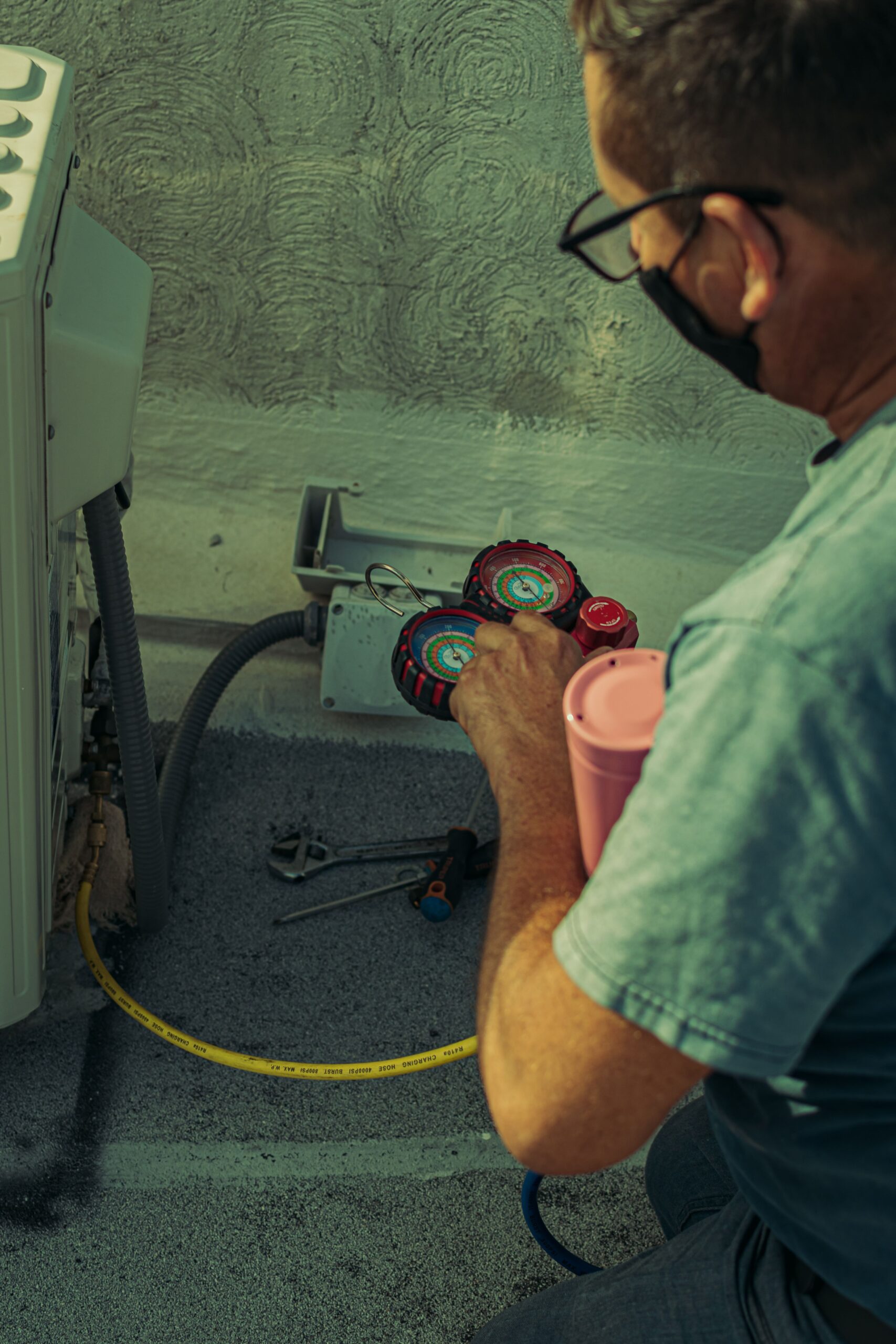
- Refrigerant pressure checks
- Electrical diagnostics
- Airflow testing
- Condenser and evaporator coil inspection
- Drain line cleaning
- Filter replacement
- Performance testing after repairs
Choosing a nearby company often means faster response times, better knowledge of local weather conditions, and easier access to follow-up support if another issue appears later.
Why Timely AC Repair Matters
Many homeowners postpone repairs because the air conditioner still works “well enough”. Unfortunately, small issues rarely stay small.
Imagine having a tiny leak in your roof. At first, it seems harmless. Then one rainy day, water begins dripping through the ceiling. The same thing happens inside an air conditioning system. A dirty filter, loose electrical connection, or low refrigerant level may look like a minor concern today, but it can eventually damage expensive components.
Prompt repairs provide several benefits:
Better Energy Efficiency
An AC system works harder when something isn’t functioning properly. That extra effort increases electricity consumption, which means higher monthly utility bills.
Longer Equipment Life
Routine repairs reduce stress on important components such as the compressor, blower motor, and condenser fan. Less strain usually means a longer service life.
Improved Indoor Comfort
A healthy air conditioner cools rooms evenly, controls humidity, and provides consistent airflow throughout the home.
Better Air Quality
Clean filters and properly maintained systems remove dust, pollen, pet dander, and other airborne particles more effectively. This creates a healthier indoor environment, especially for people with allergies or asthma.
Common Signs Your Air Conditioner Needs Repair
Air conditioners usually give several warning signs before they stop working completely. Recognising these symptoms early can save hundreds of dollars in repair costs.
Warm Air Instead of Cool Air
If your vents are blowing warm air while the thermostat is set correctly, your system may have refrigerant issues, compressor problems, or thermostat malfunctions.
Weak Airflow
Poor airflow often points to clogged filters, blocked ducts, blower motor issues, or frozen evaporator coils.
Strange Noises
Different sounds can indicate different problems.
- Banging may suggest loose components.
- Grinding often points to worn motor bearings.
- Buzzing can indicate electrical issues.
- Clicking may signal relay or thermostat problems.
Your AC shouldn’t sound like a construction site. Unusual noises deserve immediate attention.
Water Leaks
Water around the indoor unit usually indicates a blocked condensate drain or frozen evaporator coil.
Ignoring water leaks can eventually damage flooring, drywall, and nearby furniture.
Ice on Refrigerant Lines
Many people assume ice means the system is cooling better. Actually, the opposite is true.
Ice usually develops because of restricted airflow or refrigerant problems. Running the system while frozen may damage the compressor.
Unpleasant Odors
Musty smells often indicate mould growth inside ducts or evaporator coils.
Burning smells may signal overheating electrical components.
Neither should be ignored.
Frequent Cycling
Your AC should turn on, cool the home, and then shut off for a while.
If it’s constantly starting and stopping, the thermostat, electrical system, or compressor may require inspection.
The Most Common Causes of AC Problems
Understanding why air conditioners fail helps homeowners make smarter maintenance decisions.
Dirty Air Filters
This is one of the most common—and easiest to prevent—problems.
A clogged filter restricts airflow, forcing your system to work harder than necessary.
Consequences include:
- Higher electricity bills
- Reduced airflow
- Frozen evaporator coils
- Poor indoor air quality
- Shorter equipment lifespan
Replacing filters every one to three months is one of the simplest ways to improve performance.
Refrigerant Leaks
Refrigerant doesn’t get “used up”.
If levels are low, there’s almost always a leak somewhere in the system.
Professional technicians locate the leak, repair it, and recharge the refrigerant according to manufacturer specifications.
Simply adding more refrigerant without fixing the leak only delays the problem.
Thermostat Issues
Sometimes the air conditioner isn’t the problem at all.
A faulty thermostat may:
- Display incorrect temperatures
- Fail to communicate with the HVAC system
- Cause short cycling
- Prevent the system from starting
Modern programmable and smart thermostats can improve efficiency while giving homeowners greater control over indoor comfort.
Dirty Condenser Coils
The outdoor condenser unit releases heat collected from inside your home.
Over time, dirt, leaves, grass, and dust reduce heat transfer.
As a result, the compressor must work harder to achieve the same cooling performance.
Annual cleaning helps maintain efficiency.
Electrical Problems
Electrical failures are common in older systems.
Potential issues include the following:
- Failed capacitors
- Burned contactors
- Damaged wiring
- Loose electrical connections
- Faulty relays
Because electrical repairs involve safety risks, they should always be handled by qualified HVAC professionals.
How to Choose the Best AC Repair Company Near You
Typing “AC repair near me” into Google may return dozens of businesses.
The challenge isn’t finding a company.
It’s finding the right one.
Here are the qualities worth looking for.
Proper Licensing and Insurance
Always verify that the company is licensed and insured.
This protects both you and the technicians working on your property.
Experience Matters
I feel experience often makes a noticeable difference.
Technicians who have repaired hundreds of systems usually diagnose problems more quickly than someone new to the trade.
Ask how long the company has been serving customers and whether they have experience with your specific AC brand.
Transparent Pricing
A trustworthy company explains:
- Inspection fees
- Labor charges
- Replacement part costs
- Warranty coverage
Avoid businesses that hesitate to provide written estimates before beginning work.
Positive Customer Reviews
Read reviews carefully.
Instead of looking only at star ratings, pay attention to comments about:
- Punctuality
- Communication
- Honesty
- Repair quality
- Professionalism
- Customer service
A pattern of satisfied customers usually says more than a perfect five-star rating alone.
Understanding Different Types of Air Conditioning Systems
Not every air conditioner works the same way. Knowing which type you have helps you understand how it should perform, what maintenance it needs, and why repair costs may differ.
Central Air Conditioning
Central AC systems cool an entire home through a network of ducts. They’re ideal for larger properties because they maintain consistent temperatures throughout multiple rooms.
Common issues include:
- Dirty evaporator coils
- Leaky ductwork
- Compressor failure
- Blower motor problems
- Refrigerant leaks
Regular maintenance keeps these systems running efficiently and prevents unexpected breakdowns during the hottest months.
Split Air Conditioners
Split systems are among the most popular cooling solutions. They consist of an indoor unit and an outdoor condenser connected by refrigerant lines.
These units are known for quiet operation and excellent energy efficiency. However, they still require routine servicing to keep filters, coils, and electrical components in good condition.
Ductless Mini-Split Systems
Mini-splits provide independent temperature control for individual rooms.
Homeowners often choose them because they:
- Consume less energy
- Require no ductwork
- Offer flexible installation
- Deliver excellent cooling performance
Although these systems are reliable, dirty filters and refrigerant leaks can reduce their efficiency if ignored.
Window Air Conditioners
Window AC units are affordable and easy to install. They’re commonly used in apartments, offices, and single rooms.
Common repairs include:
- Thermostat replacement
- Fan motor repair
- Compressor issues
- Frozen coils
- Drainage problems
Cleaning the filter every few weeks helps maintain good airflow.
Portable Air Conditioners
Portable units work well in temporary spaces but still require proper ventilation.
A blocked exhaust hose or dirty filter can reduce cooling performance significantly.
How Much Does AC Repair Cost?
One of the first questions homeowners ask is the following:
“How much will AC repair cost?”
The answer depends on several factors.
Type of Problem
Replacing a clogged filter costs far less than replacing a compressor.
Simple repairs may take less than an hour, while complex issues require additional labour and replacement parts.
Age of the Unit
Older air conditioners often need discontinued parts, making repairs more expensive.
If your system is more than 12–15 years old, replacing it may provide better long-term value than repeated repairs.
Brand
Premium brands sometimes use specialised components that increase repair costs.
Fortunately, reputable HVAC companies can service most major manufacturers.
Emergency Service
Late-night, weekend, or holiday repairs usually include emergency service charges.
Planning annual maintenance reduces the chances of needing emergency repairs.
Replacement Parts
Prices vary depending on the component.
Examples include:
- Capacitors
- Contactors
- Fan motors
- Compressors
- Thermostats
- Circuit boards
- Condenser fans
A trustworthy technician explains each repair before beginning the work.
DIY AC Repairs vs. Professional Repairs
Many homeowners enjoy fixing things themselves. While basic maintenance is perfectly safe, some repairs should always be left to trained professionals.
Safe DIY Tasks
You can safely:
- Replace air filters
- Clean supply vents
- Remove leaves around the outdoor unit
- Keep the condenser free from debris
- Check thermostat batteries
- Inspect circuit breakers
These simple tasks improve airflow and help the system operate efficiently.
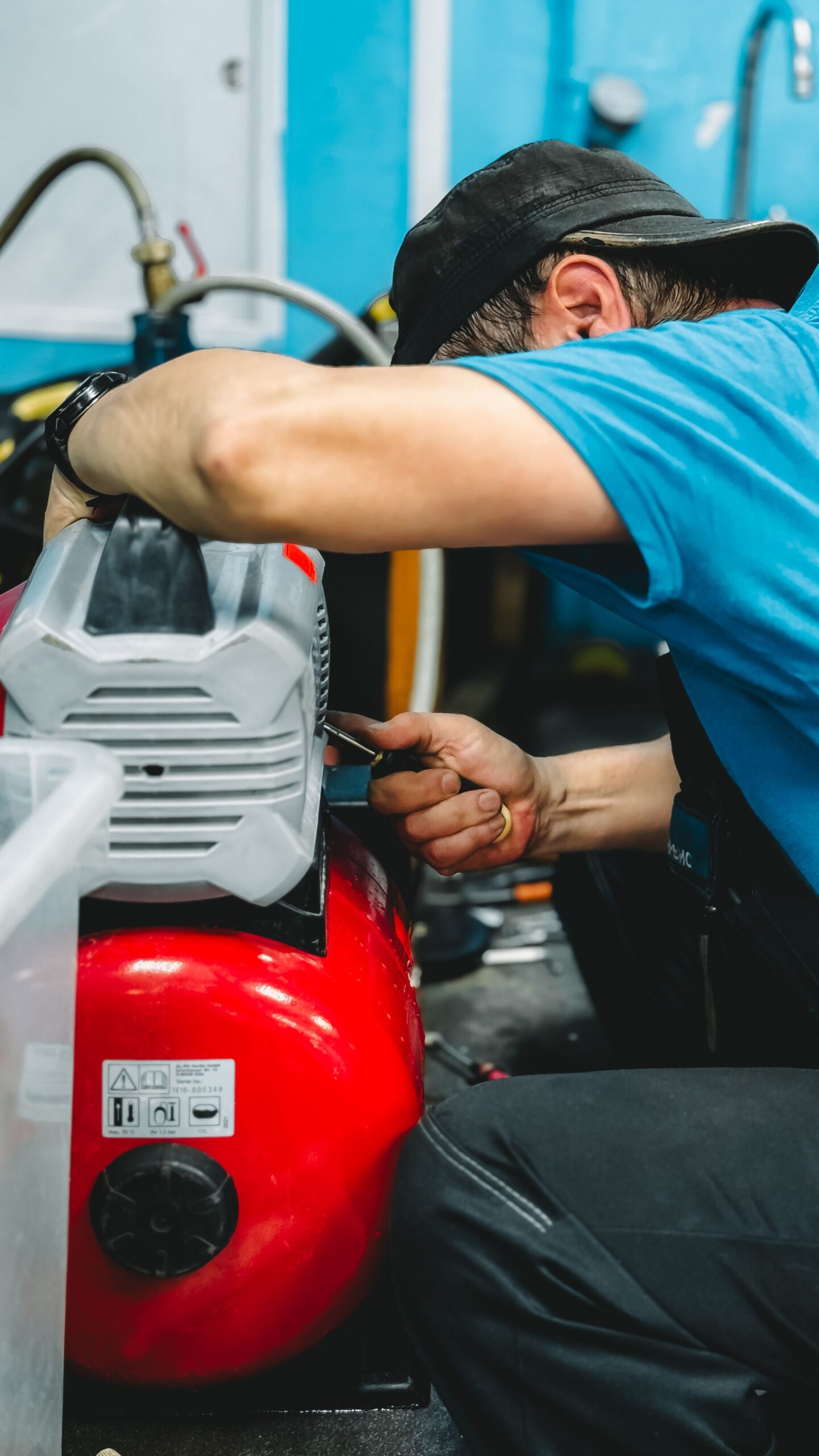
Repairs That Need a Professional
Avoid attempting:
- Refrigerant charging
- Compressor replacement
- Electrical repairs
- Capacitor replacement
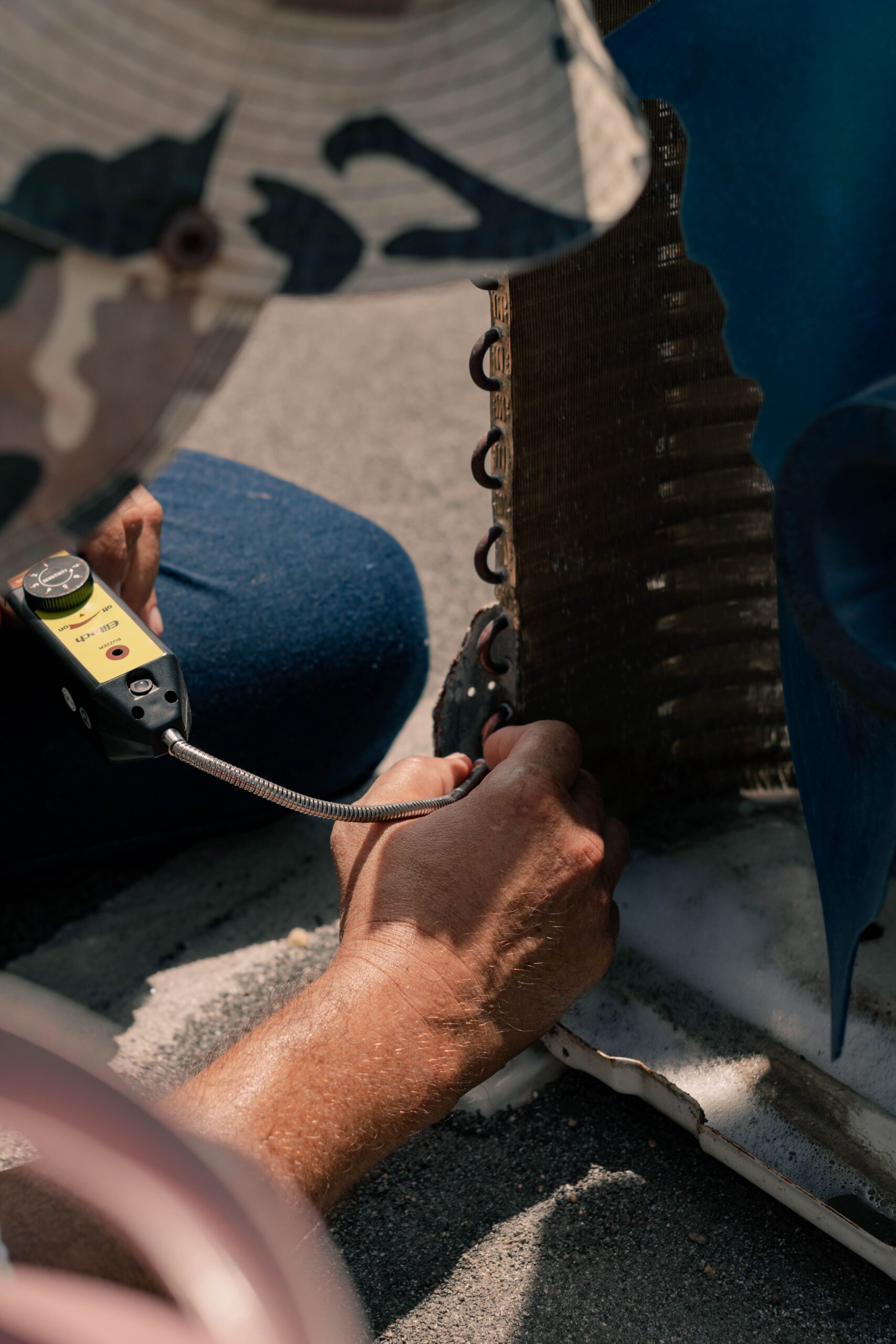
- Refrigerant leak detection
- Motor replacement
- Circuit board repairs
These jobs require specialised tools, technical knowledge, and safety procedures.
Trying to save a little money today could result in a much larger repair bill tomorrow.
AC Repair Dubai: What Makes It Different?
Dubai experiences some of the highest summer temperatures in the world. Air conditioners often run for long hours every day, placing additional stress on every component.
Because of this, preventive maintenance becomes even more important.
Professional AC repair companies in dubai typically provide:
- AC diagnostics
- Gas leak detection
- Refrigerant charging
- Compressor repair
- Thermostat replacement
- Condenser cleaning
- Evaporator coil cleaning
- Duct inspection
- Water leak repair
- Annual maintenance contracts
Dust accumulation is another common challenge.
Fine desert dust can clog filters and condenser coils much faster than in many other regions. Cleaning filters regularly helps maintain strong airflow while reducing electricity consumption.
If you live in Dubai, scheduling professional servicing at least twice a year can significantly improve your system’s performance.
Preventive Maintenance Tips That Save Money
A little maintenance goes a long way.
Simple habits can reduce repair costs while extending your air conditioner’s lifespan.
Change Filters Regularly
Dirty filters restrict airflow and force the system to work harder.
Most homes benefit from replacing filters every one to three months.
Keep the Outdoor Unit Clean
Leaves, dirt, and debris block airflow around the condenser.
Allow enough space around the unit so it can release heat efficiently.
Schedule Annual Maintenance
Professional inspections identify worn components before they fail.
Preventive maintenance usually costs much less than emergency repairs.
Check Thermostat Settings
Incorrect thermostat settings waste energy and reduce comfort.
Smart thermostats can automatically adjust temperatures based on your schedule.
Inspect Air Vents
Furniture, curtains, or rugs blocking vents reduce airflow.
Keeping vents clear helps maintain consistent temperatures throughout the home.
Energy-Saving Tips for Better Cooling Performance
Everyone wants a cooler home without paying higher electricity bills.
These simple habits can make a noticeable difference.
- Close doors and windows while the AC is running.
- Use ceiling fans to circulate cool air.
- Seal air leaks around doors and windows.
- Install blackout curtains to reduce heat gain.
- Replace worn weather stripping.
- Avoid setting the thermostat excessively low.
- Keep indoor humidity under control.
- Schedule routine HVAC maintenance.
Small improvements often produce surprisingly large energy savings over time.
How to Avoid AC Repair Scams
Most HVAC companies are honest professionals, but it’s still wise to stay cautious.
Watch for these warning signs:
- Extremely low estimates that suddenly increase.
- Pressure to replace the entire system without proper diagnosis.
- Refusal to provide written estimates.
- No business address or licence.
- Cash-only payment requests.
- No warranty on repairs.
Ask questions.
A reliable technician should be willing to explain the problem in language you can understand.
Final Thoughts
Searching for AC repair near me is about more than finding the closest technician. It’s about choosing someone who values quality workmanship, honest communication, and long-term customer satisfaction.
A properly maintained air conditioner keeps your home comfortable, improves indoor air quality, and lowers energy costs. Paying attention to early warning signs allows small repairs to stay small instead of becoming expensive emergencies.
Whether you own a central AC system, a ductless mini-split, or a window unit, regular maintenance remains the smartest investment you can make. Clean filters, routine inspections, and timely repairs help your cooling system perform efficiently for years.
If you live in a hot climate such as Dubai, preventive servicing becomes even more important. Extreme temperatures place extra pressure on every component, making professional inspections an essential part of home maintenance.
The next time your air conditioner struggles to keep your home cool, don’t ignore the warning signs. A quick inspection today may save you from a complete system failure tomorrow.
Frequently Asked Questions
1. How do I find the best AC repair service near me?
Look for licensed and insured HVAC companies with positive customer reviews, transparent pricing, experienced technicians, emergency service availability, and warranties on repairs. Comparing several local providers helps you choose a reliable company.
2. What are the most common signs that my AC needs repair?
Warm airflow, weak cooling, strange noises, water leaks, unpleasant odours, frozen coils, frequent cycling, and unusually high electricity bills are common indicators that your air conditioner requires professional attention.
3. How often should I service my air conditioner?
Most manufacturers recommend professional maintenance at least once a year. In hot climates like Dubai, servicing every six months helps maintain efficiency and reduces the risk of unexpected breakdowns.
4. Can I repair my air conditioner myself?
Basic maintenance tasks such as replacing filters and cleaning around the outdoor unit are safe for homeowners. Electrical repairs, refrigerant handling, and compressor replacements should always be performed by qualified HVAC technicians.
5. Why is my AC running but not cooling?
Several issues can cause this problem, including low refrigerant levels, dirty air filters, thermostat malfunctions, blocked condenser coils, frozen evaporator coils, or compressor failure. A professional inspection can identify the exact cause.
6. Is repairing an old AC better than replacing it?
It depends on the system’s age, repair cost, and overall condition. If repairs become frequent or expensive and the unit is more than 12–15 years old, replacing it with a modern energy-efficient model may provide better long-term savings.
